
Metal toxicity in birds often develops quietly, turning everyday household items into unexpected threats. A curious nibble on a cage bar, a shiny fragment from a toy, or residue from older hardware can expose birds to metals their bodies cannot safely process. Because birds explore their world with their beaks, even brief contact may lead to significant health problems.
Understanding how metal toxicity in birds occurs gives pet owners the awareness needed to spot risks early and seek professional veterinary care when it matters most.
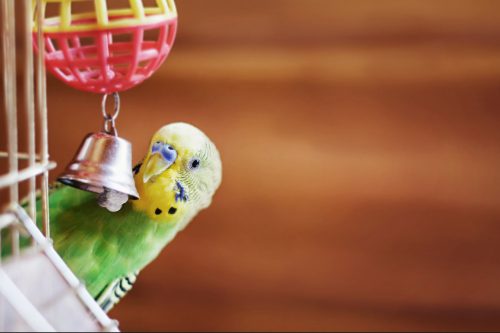
What Is Avian Heavy Metal Poisoning?
Avian heavy metal poisoning describes illness caused by a bird ingesting or absorbing metals that interfere with normal body functions. The most common culprits include lead and zinc, though other metals may also pose risks. Birds have fast metabolisms and sensitive digestive systems, which means even small amounts can cause widespread effects. Metal toxicity in birds can impact the nervous system, digestive tract, kidneys, and blood cells, leading to changes that progress quickly without intervention.
Many exposure sources exist inside otherwise well-maintained homes. Items that appear harmless to people may contain metal components that birds chew, scrape, or swallow. Older cages, imported toys, costume jewelry, loose hardware, and even paint chips can contribute to exposure. Because signs may begin subtly, metal toxicity in birds often goes unnoticed until symptoms become more severe. Awareness of environmental risks remains one of the strongest safeguards for long-term avian health.
Symptoms and Types of Metal Toxicity in Birds
The symptoms of metal toxicity in birds vary based on the type of metal involved, the amount ingested, and the length of exposure. Some birds show sudden changes, while others develop gradual signs that may be mistaken for stress or minor illness. Recognizing patterns can help owners act promptly when something feels off.
Common signs associated with metal toxicity in birds include:
- Changes in appetite or sudden weight loss
- Lethargy, weakness, or decreased activity
- Digestive upset such as regurgitation or abnormal droppings
- Bloody urination (hematuria)
- Neurological changes including tremors, loss of balance or seizures
Different metals affect birds in distinct ways. Zinc exposure often causes gastrointestinal irritation and anemia, while lead exposure may trigger neurological signs and severe weakness. Metal toxicity in birds may also worsen existing conditions, making diagnosis more complex. Because symptoms overlap with many avian illnesses, professional evaluation is essential for accurate identification.
Lead vs. Zinc Exposure
Lead and zinc remain the most frequently diagnosed metals in avian cases. Lead may be found in older paints, solder, fishing weights, backs of mirrors, some costume jewelry or imported items with unknown coatings. Zinc commonly appears in galvanized metal (chicken wire/nails/staples), cage fasteners, and certain toy parts. Each metal disrupts the body differently, yet both can cause serious systemic illness. Understanding these distinctions helps veterinarians tailor diagnostic testing and care plans.
How Avian Metal Toxicity Is Diagnosed
Diagnosing metal toxicity in birds requires a thorough veterinary assessment that considers history, environment, and clinical signs. Veterinarians often begin by discussing possible exposure sources within the bird’s living space. This conversation provides critical context, especially when symptoms appear nonspecific. Because birds mask illness well, early diagnostic steps play a key role in identifying hidden problems.
The Importance of Early Detection
Early detection improves outcomes by limiting how long metals circulate within the body. The sooner metal toxicity in birds is identified, the greater the opportunity to reduce complications affecting the nervous system or organs. Prompt veterinary evaluation also supports safer treatment decisions based on the bird’s overall condition.
How Is Metal Toxicity in Birds Treated?
Treatment for metal toxicity in birds focuses on stabilizing the bird and reducing the effects of the metal within the body. Specific anti-toxins will be prescribed depending on which heavy metal is identified by the blood tests. Veterinary care varies depending on the metal involved, the bird’s size, and the severity of symptoms. Because birds respond differently to illness than mammals, treatment plans require specialized avian expertise.
Throughout treatment, the goal remains minimizing further exposure while supporting the bird’s natural healing processes. Each case is unique, which underscores the importance of individualized veterinary oversight rather than generalized approaches.
How You Can Prevent Metal Toxicity in Your Bird
Preventing metal toxicity in birds starts with thoughtful evaluation of the home environment. Because birds interact with their surroundings constantly, prevention focuses on removing potential hazards before exposure occurs. Even small changes can significantly reduce risk over time.
Steps that support prevention include:
- Choosing cages and toys specifically designed for birds, with clear material sourcing
- Inspecting hardware regularly for peeling coatings or loose parts
- Avoiding access to household items with unknown metal content
Routine environmental checks help ensure new items do not introduce hidden dangers. Prevention also involves ongoing education, as products and materials change over time. By remaining attentive to a bird’s living space, owners reduce the likelihood of metal toxicity in birds and support safer daily enrichment.
Staying Alert to Environmental Hazards
Metal toxicity in birds often hides behind ordinary objects, making awareness a powerful protective tool. By learning how exposure happens, recognizing early warning signs, and partnering with an experienced avian veterinary team, bird owners take meaningful steps toward prevention. If you suspect exposure or notice concerning changes, contact Avian & Exotic Animal Hospital of Louisiana in Metairie, LA. Call (504) 455-6386 or request an appointment online to ensure your bird receives knowledgeable, attentive care when it counts.
Recent Posts
About Avian & Exotic Animal Hospital of Louisiana
Avian & Exotic Animal Hospital of Louisiana, formally West Esplanade Veterinary Clinic, is Louisiana’s only veterinarian that provides care exclusively to avian and exotic pets. From parrots to rabbits and ferrets to a wide variety of reptiles, as well as a multitude of small mammal exotic pets, we welcome them all to our practice!