
Birds are fascinating creatures, known for their agility and grace in flight. However, their lightweight bones, which make flight possible, also make them more susceptible to fractures. Do you know what to do when a bird experiences a broken bone? Below, we will explore how broken bones in birds are treated, why immediate care from your avian veterinarian at Avian and Exotic Animal Hospital of Louisiana is important, and what to expect during recovery.
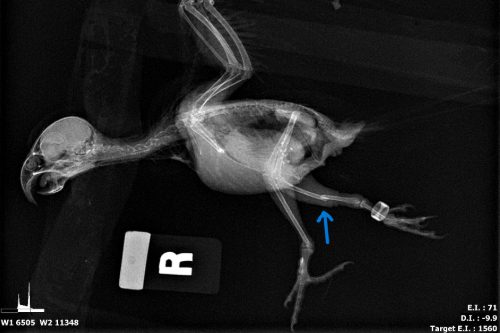
Understanding Fractures in Birds
Birds’ bones are delicate and designed for flight, which makes them vulnerable to fractures from accidents, falls, or mishandling. A broken bone in a bird can occur in different parts of the body, such as wings, legs, or even the beak. The severity of the fracture depends on factors like the bird’s age, size, and the force of the impact. Common signs of a broken bone in birds include:
- Limping
- Difficulty flying
- Swelling
- Visible deformities or improper positioning of the leg or wing
- Obvious signs of pain such as lethargy, lack of appetite or unusual vocalizing
If you suspect your bird has a broken bone, contact your avian veterinarian immediately by calling Avian and Exotic Animal Hospital of Louisiana at (504) 455-6386.
How Veterinarians Diagnose Broken Bones in Birds
Diagnosing a fracture in a bird involves careful observation and advanced diagnostic tools. Veterinarians trained in avian care use techniques that minimize stress and discomfort for the bird during the examination.
Physical Examination and Radiographs (X-Rays)
The first step is a physical examination, where your veterinarian looks for swelling, deformities, or abnormalities in movement. However, due to a bird’s fragility, your veterinarian may recommend sedation to perform the examination without stressing your pet. A thorough evaluation often requires imaging tools like radiographs. Radiographs allow your veterinarian to locate the fracture precisely and determine its severity. Radiograph images help decide whether the bone is cleanly broken, crushed, or splintered, which influences the treatment plan. During this process, your vet may need to stabilize the bird to avoid further injury. Handling is done with great care, as stress can exacerbate the bird’s condition. The detailed diagnosis provided by the radiograph is a critical step in determining the best course of action.
How Are Broken Bones in Birds Treated?
Treating broken bones in birds requires a tailored approach based on the type and location of the fracture. Avian veterinarians use a combination of immobilization, supportive care, and sometimes surgery to facilitate healing.
Splints and Bandages
For simple fractures, immobilization is often the primary treatment. Avian veterinarians use lightweight splints or bandages to keep the affected bone in place while it heals. Splints are custom-made to suit the bird’s size and anatomy, ensuring minimal impact on the bird’s mobility and comfort. The splinting process involves precision and must be monitored regularly to ensure it remains effective.
Surgical Intervention
In more severe cases, such as compound fractures or bones that are misaligned, surgery may be necessary. Your veterinarian may use pins, wires, or external fixation devices to stabilize the bone. Surgery for birds is a delicate procedure that requires specialized expertise and equipment. Post-surgical care is equally important, as your bird will need to be monitored for signs of infection or complications.
Supporting Recovery for Birds with Broken Bones
Recovery from a broken bone in birds is a critical phase that requires close monitoring and a supportive environment. A broken bone will require 4- 6 weeks to mend in most cases.
Rest and Restricted Activity
Birds recovering from fractures need rest to allow their bones to heal properly. Your veterinarian may recommend restricting your bird’s movement by confining them to a smaller cage or space. This reduces the risk of re-injury and ensures the splint or surgical hardware stays in place.
Nutritional Support
Proper nutrition plays a vital role in bone healing. Your vet may suggest dietary supplements like calcium or vitamin D to promote recovery. A well-balanced diet tailored to your bird’s species is essential for overall health and healing.
Follow-Up Care
During follow-up visits, your veterinarian will assess the progress of bone healing through physical exams or repeat radiographs. Adjustments to the splint or additional treatments may be needed based on the bird’s response to the initial care plan.
Preventing Fractures in Birds
While accidents can happen, there are steps you can take to reduce the likelihood of fractures in birds.
- Ensure your bird’s living area is free from hazards such as sharp edges, unstable perches, or overcrowding.
- Provide enough space for your bird to move and fly comfortably without the risk of injury. If your bird has out-of-cage playtime, supervise them closely to avoid falls or accidents.
- Keep ceiling fans off when your bird is out of its cage
- Rope toys and perches with frayed ends need to be replaced
- Improper handling is a common cause of broken bones in birds. Always support your bird gently but firmly, avoiding any sudden or forceful movements.
- Educate family members and visitors about the correct way to interact with your bird.
Why Does Prompt Veterinary Care Matter?
When a bird suffers from a broken bone, delaying treatment can lead to complications such as infection, improper healing, or permanent loss of mobility. A birds’ metabolism is faster than those of mammals, which means their conditions can worsen quickly. Seeking prompt veterinary care ensures the best chance of a full recovery. If you notice signs of a fracture in your bird, contact Avian and Exotic Animal Hospital of Louisiana at (504) 455-6386 right away. Our experienced team has experience treating avian injuries with the utmost care and precision.
Recent Posts
About Avian & Exotic Animal Hospital of Louisiana
Avian & Exotic Animal Hospital of Louisiana, formally West Esplanade Veterinary Clinic, is Louisiana’s only veterinarian that provides care exclusively to avian and exotic pets. From parrots to rabbits and ferrets to a wide variety of reptiles, as well as a multitude of small mammal exotic pets, we welcome them all to our practice!