
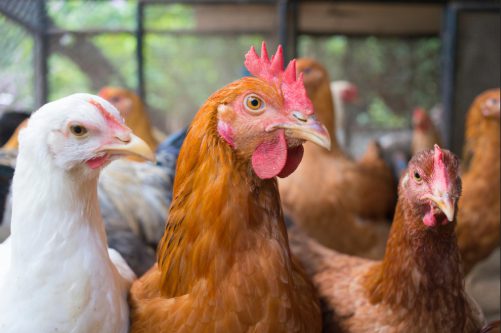
Avian influenza, often called bird flu, is a contagious viral disease that affects many bird species, including backyard chickens and ducks. For poultry owners in Louisiana, the topic can feel close to home. Wetlands, migratory birds, and warm climates create conditions where the virus can circulate, sometimes quietly, before signs become visible. Understanding how avian influenza behaves, how it spreads, and how it affects birds helps owners make informed decisions and recognize when professional veterinary care is needed. For flocks large or small, awareness remains one of the most effective tools for protecting bird health.
What Is Avian Influenza?
Avian influenza is a viral infection caused by influenza A viruses that primarily affect birds. Some strains cause mild illness, while others lead to severe disease with high mortality in poultry. Wild waterfowl often carry certain strains without appearing sick, which allows the virus to travel long distances during migration. When domestic birds encounter these strains, the impact can be far more serious, especially in chickens and ducks kept in close contact.
The virus targets the respiratory and digestive systems, though severe strains may affect multiple organs. Signs can vary widely depending on the strain involved, the species infected, and the bird’s overall health. Because symptoms may resemble other poultry diseases, laboratory testing through a veterinarian often becomes necessary to confirm a diagnosis. This variability makes avian influenza particularly challenging for backyard flock owners who may assume early signs are minor or temporary.
In regions like southern Louisiana, where domestic poultry may share environments with migratory birds, vigilance matters year-round. Avian influenza does not follow a strict seasonal pattern, and outbreaks can occur unexpectedly. Staying informed helps owners recognize changes in their birds and seek professional guidance sooner rather than later.
How Is Avian Influenza Transmitted?
Avian influenza spreads through direct contact with infected birds or indirectly through contaminated environments. The virus sheds in saliva, nasal secretions, and droppings, allowing it to persist in soil, water, and on surfaces for extended periods. Backyard flocks may encounter exposure through wild birds visiting feeders, ponds, or open enclosures.
Human activity can also play a role in transmission. Equipment, footwear, clothing, and vehicles can carry the virus from one location to another without obvious signs. Even brief contact with contaminated areas can introduce avian influenza into a previously healthy flock. This is one reason outbreaks sometimes appear suddenly, even when birds have not left their home environment.
Common pathways of spread include:
- Contact with wild birds or their droppings
- Shared water sources such as ponds or puddles
- Contaminated equipment, feed containers, or bedding
- Movement of people between poultry environments
Because the virus spreads easily, a single exposure event can affect multiple birds in a short period. Once introduced, avian influenza can move rapidly through a flock, particularly when birds share confined spaces. Understanding these transmission routes underscores why early veterinary involvement becomes so important when illness appears.
The Impact On Animal Health
The effects of avian influenza on animal health range from subtle to devastating. Mild strains may cause reduced appetite, lethargy, or a drop in egg production. Severe strains can lead to respiratory distress, swelling around the eyes or head, neurological signs, and sudden death. Ducks may show fewer outward signs than chickens, which can delay detection and increase the risk of spread within mixed-species flocks.
Beyond individual illness, avian influenza places stress on the entire flock. Sick birds may isolate themselves or struggle to compete for food and water. Egg production often declines sharply, and recovery can take time even in birds that survive infection. In severe outbreaks, losses can occur quickly, leaving owners little time to respond without veterinary guidance.
Long-Term Considerations for Flocks
Even after an outbreak resolves, avian influenza can leave lasting effects. Surviving birds may experience prolonged weakness or decreased productivity. Biosecurity practices often need reassessment to reduce future risk, especially in areas with frequent wild bird activity. From a broader perspective, confirmed cases can trigger reporting requirements and movement restrictions that affect poultry owners throughout a region.
For these reasons, avian influenza is not just an acute illness. It carries implications for flock stability, long-term health, and community-level disease control. Working with an experienced veterinarian helps ensure that concerns are addressed responsibly and in line with current regulations.
Treatment Options for Avian Influenza
There is no simple, at-home solution for avian influenza. Management and treatment depend on the strain involved, the species affected, and the number of birds exposed. Veterinary oversight is essential to determine appropriate next steps and to protect both animal health and public interests. In many cases, supportive veterinary care focuses on minimizing suffering and preventing further spread rather than attempting curative treatment.
Treatment approaches may include:
- Diagnostic testing to confirm avian influenza
- Guidance on isolation or containment measures
- Supportive care plans developed by a veterinarian
- Coordination with regulatory agencies when required
Because avian influenza can resemble other poultry diseases, professional evaluation helps avoid missteps that could worsen the situation. Veterinarians with experience in avian and exotic species understand how to assess flocks holistically rather than focusing on a single bird. This approach allows for informed decisions that prioritize the welfare of all animals involved.
At Avian & Exotic Animal Hospital of Louisiana, our veterinary team works with poultry owners to evaluate health concerns, explain testing options, and outline appropriate care pathways. Early contact with a qualified avian veterinarian can make a meaningful difference when disease is suspected.
Staying Ahead of Avian Influenza in Louisiana
Avian influenza remains a concern for poultry owners across the Gulf South due to the region’s climate and wildlife patterns. While no one can eliminate risk entirely, education and professional support go a long way in protecting chickens and ducks. Recognizing changes in behavior, production, or appearance helps owners act quickly when something seems off.
If you keep poultry in or around Metairie, staying connected with an avian-focused animal hospital provides peace of mind. When questions arise or illness appears, timely guidance supports better outcomes for birds and reduces uncertainty for owners. For concerns about avian influenza or other poultry health issues, call (504) 455-6386 or request an appointment online with Avian & Exotic Animal Hospital of Louisiana.
Recent Posts
About Avian & Exotic Animal Hospital of Louisiana
Avian & Exotic Animal Hospital of Louisiana, formally West Esplanade Veterinary Clinic, is Louisiana’s only veterinarian that provides care exclusively to avian and exotic pets. From parrots to rabbits and ferrets to a wide variety of reptiles, as well as a multitude of small mammal exotic pets, we welcome them all to our practice!