
An annual exotic pet exam provides far more than a routine check-in. It creates a structured opportunity to evaluate subtle changes that can otherwise go unnoticed in birds, reptiles, and small mammals. Many exotic species instinctively conceal discomfort, which makes outward signs of illness unreliable. Through a thoughtful, species-aware exam, veterinarians can establish a health baseline, track changes over time, and identify concerns early. That proactive approach supports steadier health, fewer surprises, and clearer guidance for pet owners. For families who share their homes with exotic pets, this yearly visit becomes a cornerstone of responsible care.
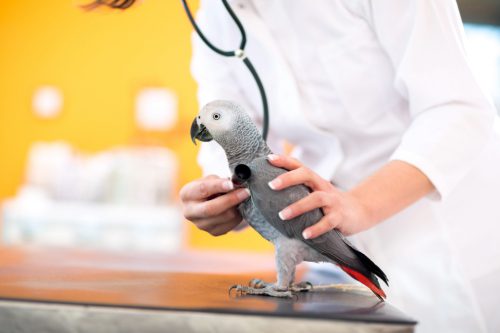
Exotic Pets Are Experts at Hiding Illness Until It’s Too Late
Exotic animals evolved to mask weakness as a survival strategy, and that instinct remains strong in captivity. Birds often continue eating and vocalizing despite internal stress, while reptiles may appear calm even as disease progresses. Small mammals can maintain normal activity levels until their condition reaches an advanced stage. An exotic pet exam offers a controlled setting where a veterinarian can look beyond surface behaviors and assess what is happening internally.
These exams focus on body condition, posture, breathing patterns, and subtle physical cues that owners may not notice day to day. Over time, annual visits create a comparison point that highlights gradual changes. That historical context matters because even small shifts can signal larger issues ahead. By scheduling regular evaluations, pet owners reduce the chance that illness remains hidden until it becomes more complex to manage.
Many Health Problems Are Invisible Without Specialized Testing
A visual check alone rarely tells the full story for exotic species. Many conditions develop silently and require diagnostics to uncover them. During an exotic pet exam, veterinarians may recommend targeted tests based on species, age, and lifestyle. These tools allow clinicians to detect trends that physical observation cannot reveal.
Why Diagnostic Screening Matters for Exotic Species
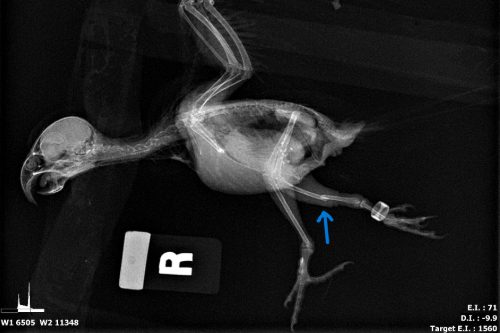
Laboratory testing and imaging help identify concerns such as nutritional imbalances, organ changes, or infections before outward symptoms appear. For reptiles, bloodwork can reflect metabolic shifts tied to temperature or diet. In birds, subtle changes in weight or lab values may indicate early organ stress. Small mammals often benefit from screenings that evaluate dental health or internal function.
These insights support informed conversations between veterinarians and pet owners. Rather than reacting to advanced illness, families can make thoughtful care decisions grounded in clear data. Over time, consistent screening during an exotic pet exam supports steadier health outcomes and fewer urgent surprises.
Preventive Exams Improve Long-Term Health and Lifespan
Preventive care shapes the quality and length of an exotic pet’s life. An annual exotic pet exam emphasizes monitoring rather than crisis response. When veterinarians see a patient regularly, they can identify patterns that guide long-term planning. That continuity builds confidence for both the care team and the pet owner.
Regular exams also allow veterinarians to adjust recommendations as pets age. Nutritional needs, activity levels, and environmental requirements change over time. By revisiting these factors each year, the care plan stays relevant and responsive. Preventive visits create a rhythm of care that supports stability rather than uncertainty.
Species-Specific Medical Risks Need Expert Attention
Each exotic species carries its own set of medical considerations. A generalized approach often misses those nuances. An exotic pet exam led by a team trained in avian and exotic medicine focuses on the unique risks tied to anatomy and physiology.
Examples of Species-Specific Concerns
Birds face challenges related to respiratory health, feather condition, and nutritional balance. Reptiles may experience metabolic or environmental stress that affects bones and organs. Small mammals often encounter dental or gastrointestinal issues that progress quietly. These risks differ widely, which makes species knowledge essential.
By tailoring the exam to the pet’s classification, veterinarians can ask the right questions and focus on the most relevant systems. That precision helps pet owners understand why exotic care differs from traditional companion animal visits. Over time, species-specific attention during each exotic pet exam supports clearer expectations and better outcomes.
Environmental and Dietary Problems Are Often Overlooked
Habitat and nutrition play an outsized role in exotic pet health. Minor inconsistencies in temperature, lighting, or humidity can have lasting effects. Diet imbalances may not cause immediate symptoms but can influence long-term wellness. An exotic pet exam provides space to review these factors in detail.
Veterinarians often discuss enclosure setup, feeding routines, and enrichment during the visit. These conversations uncover gaps that owners may not realize exist. Small adjustments can make a meaningful difference when identified early. Annual exams ensure that environmental and dietary needs remain aligned with the pet’s current life stage.
Early Intervention Reduces the Need for Emergency Care
Emergency situations with exotic pets can escalate quickly. Because these animals hide illness so effectively, sudden changes often signal advanced disease. An exotic pet exam reduces the likelihood of these scenarios by catching concerns earlier in their course.
When veterinarians identify issues during routine visits, care can proceed in a measured, less stressful way. This approach supports better planning and clearer communication. For pet owners, it also brings peace of mind. Regular exams help shift care from urgent reaction to steady oversight, which benefits both pets and families.
Building a Preventive Care Plan for Your Exotic Pet
Preventive care works best when it follows a structured plan. An exotic pet exam serves as the foundation for that strategy. During the visit, veterinarians assess current health, discuss risks, and outline next steps. This collaborative process keeps everyone aligned.
A strong preventive plan often includes:
- Annual physical evaluations tailored to species
- Periodic diagnostic screenings when appropriate
- Ongoing habitat and nutrition reviews
- Scheduled follow-ups based on age and health history
This framework keeps care organized and proactive. Rather than guessing what comes next, pet owners leave with clarity. Over time, that structure supports consistency and confidence in daily care decisions.
Keep Your Pet Thriving with Certified Care
Unique pets require attentive, informed veterinary support. Exotic pet exams at Avian & Exotic Animal Hospital of Louisiana connect families with professionals who understand the nuances of avian and exotic medicine. Our care team in Metairie, LA focuses on preventive strategies that support long-term health for every species they see.
Scheduling routine exams builds a partnership rooted in knowledge and trust. If your bird, reptile, or small mammal is due for a visit, call (504) 455-6386 or request an appointment online.
Recent Posts
About Avian & Exotic Animal Hospital of Louisiana
Avian & Exotic Animal Hospital of Louisiana, formally West Esplanade Veterinary Clinic, is Louisiana’s only veterinarian that provides care exclusively to avian and exotic pets. From parrots to rabbits and ferrets to a wide variety of reptiles, as well as a multitude of small mammal exotic pets, we welcome them all to our practice!