
Bearded dragons are remarkable reptiles with unique behaviors that often leave pet owners captivated, but brumation can sometimes catch even experienced owners by surprise. This natural dormancy, similar to hibernation, can bring about changes in your bearded dragon’s activity levels, appetite, and overall routine. While it’s a normal part of their life cycle, learning what to expect during brumation can help you ensure your dragon’s comfort and well-being. If you have questions about your bearded dragon’s brumation or need guidance, the team at Avian and Exotic Animal Hospital of Louisiana is here to help. Contact us today at (504) 455-6386 to learn more or to schedule a consultation.
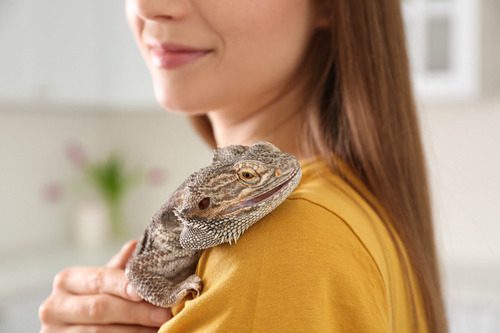
What Is Bearded Dragon Brumation?
Brumation is a natural state of dormancy, similar to hibernation in mammals, that bearded dragons undergo, often during the cooler winter months in Australia. This behavior is instinctual, helping reptiles conserve energy when food and environmental conditions are less favorable in the wild. While not all pet bearded dragons brumate, many display symptoms of this seasonal cycle. During brumation, you may notice your bearded dragon becoming less active, eating less, and spending more time in hiding. These behaviors should be of great concern to pet owners, because these are also symptoms of a sick Bearded Dragon. Remember, true brumation is caused by very low environmental conditions for extended periods of time.
Signs That Your Bearded Dragon Is Brumating
Behavioral Changes
Bearded dragon brumation is often marked by distinct changes in activity and temperament. You may notice your pet retreating to its hide more frequently and becoming less responsive to external stimuli. Reduced activity is one of the hallmark signs of brumation.
Appetite Reduction
A bearded dragon in brumation typically eats less—or may stop eating altogether. This is because their metabolism slows significantly, requiring fewer nutrients during this dormant period. It’s essential to monitor their weight during this time to ensure their health.
Increased Sleep
Your bearded dragon may spend most of the day sleeping or appearing lethargic. This is completely normal and part of the natural brumation cycle. However, ensuring they have a quiet, undisturbed space is crucial for their comfort.
Hiding or Burrowing
Bearded dragons instinctively seek dark, safe spaces to brumate. In captivity, they may use a hide or burrow into the substrate to mimic their natural behavior in the wild.
When and Why Do Bearded Dragons Brumate?
Seasonal Timing
In the wild, bearded dragons brumate during the cooler months of fall and winter. In captivity, the timing of brumation can vary, as artificial lighting and controlled temperatures may influence their natural cycles. Typically, brumation occurs between November and February.
Evolutionary Instinct
In their native habitat, resources like food and water become scarce during cooler seasons. By entering a state of dormancy, bearded dragons conserve energy until conditions improve. While pet bearded dragons don’t face the same challenges, this behavior remains instinctual.
How To Care for a Bearded Dragon During Brumation
- Maintain Proper Habitat Conditions: Even during brumation, it’s vital to provide your bearded dragon with an optimal environment. Ensure their habitat is clean, with temperatures and lighting adjusted to mimic natural seasonal changes. Gradually reduce the amount of light and heat in their enclosure to signal brumation without causing stress.
- Monitor Their Health: Yearly health examinations are critical to assess your Bearded Dragon’s overall health. A Bearded Dragon must be healthy to brumate properly and recover in good shape. Regularly check your bearded dragon’s weight and physical condition throughout brumation. While it’s normal for them to lose a small amount of weight, significant loss may indicate an underlying health issue. Avoid disturbing them unless necessary, but remain vigilant about their well-being.
- Hydration Is Key: Although they may drink less during brumation, hydration is still important. Provide fresh water in their enclosure and consider occasional baths to ensure they remain hydrated.
Frequently Asked Questions About Bearded Dragon Brumation
Should I Feed My Bearded Dragon During Brumation?
In most cases, bearded dragons don’t eat during brumation due to their slowed metabolism. Offering food is fine, but don’t be concerned if they show no interest. Remove uneaten food promptly to maintain a clean environment.
How Long Does Brumation Last?
Brumation length varies, lasting anywhere from a few weeks to several months. Each bearded dragon is unique, so their brumation period may differ.
What If My Bearded Dragon Doesn’t Brumate?
Not all bearded dragons brumate. Most pet Bearded Dragons skip this cycle entirely, since household temperatures stay fairly constant all year long. If your dragon remains active and healthy, there’s no need for concern.
How To Differentiate Between Brumation and Illness
While brumation is a normal behavior, some symptoms may overlap with health issues. It’s important to distinguish between the two to ensure your bearded dragon’s well-being. If you notice unusual weight loss, labored breathing, or signs of distress, it’s time to consult your exotic veterinarian ASAP. Healthy brumation symptoms include a gradual slowdown in activity, reduced appetite, and increased sleep. However, any sudden or extreme changes in behavior warrant professional evaluation.
Preparing for Your Bearded Dragon’s Brumation
- Adjusting Their Routine: Gradually decrease their daily lighting and heating duration over several weeks to mimic the seasonal cues that trigger brumation. Avoid abrupt changes, as they may stress your pet.
- Providing a Suitable Hide: Offer a safe, dark space where your bearded dragon can retreat comfortably. Ensure the hide is large enough for them to turn around but snug enough to feel secure.
- Pre-Brumation Health Check: Schedule a visit with your pet’s veterinarian before brumation begins to rule out any health concerns. Your veterinarian can perform an exam and testing to make sure that your bearded dragon is in good condition and ready for this dormant period.
Supporting Your Bearded Dragon After Brumation
Once brumation ends, your bearded dragon will gradually return to its normal activity levels. Reintroduce lighting, heat, and food slowly to avoid overwhelming their system. Watch for signs of renewed energy, appetite, and curiosity as they transition out of dormancy. If you have questions about your bearded dragon’s brumation or notice anything unusual during this process, contacting your experienced exotic veterinarian is the best course of action. At Avian and Exotic Animal Hospital of Louisiana, our team is here to help. Call us at (504) 455-6386 to schedule a consultation or learn more about supporting your pet.
Recent Posts
About Avian & Exotic Animal Hospital of Louisiana
Avian & Exotic Animal Hospital of Louisiana, formally West Esplanade Veterinary Clinic, is Louisiana’s only veterinarian that provides care exclusively to avian and exotic pets. From parrots to rabbits and ferrets to a wide variety of reptiles, as well as a multitude of small mammal exotic pets, we welcome them all to our practice!