
A broken toenail might not seem like a big deal, but for your pet, it can be painful and stressful. A damaged nail can leave your pet with a bleeding toenail, a noticeable limp or in visible discomfort. Avian and Exotic Animal Hospital of Louisiana can provide the expert guidance and care you and your pet need when it matters most. Call us at (504) 455-6386 to schedule an appointment and ensure your pet gets the attention they deserve.
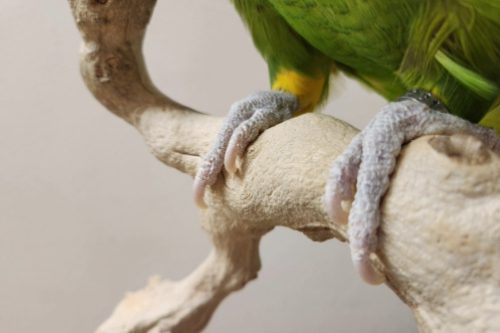
What Causes a Pet’s Toenail to Break?
Toenails are necessary for pets, whether they use them for perching, gripping, climbing, hopping, or running. However, their nails are vulnerable to damage, especially during high-energy activities. Here are some common reasons pets might break a toenail:
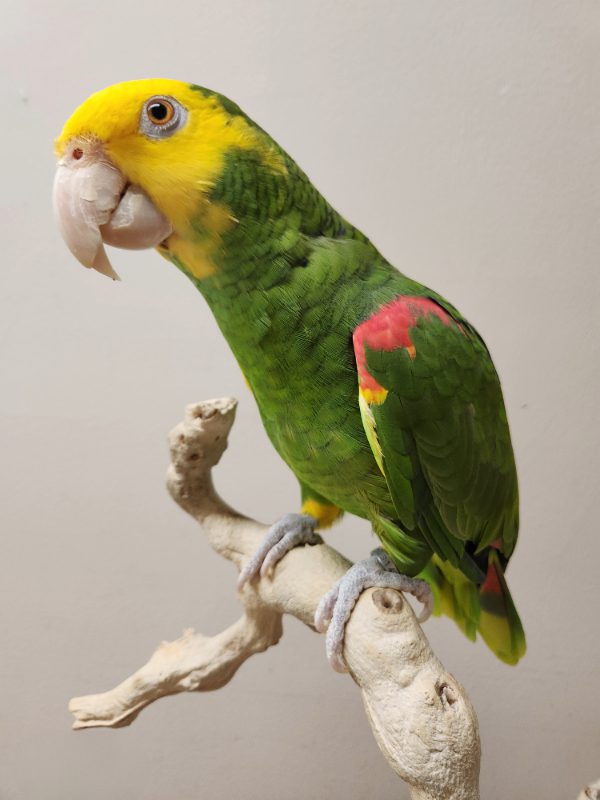 Rough Play or High-Impact Activities: Jumping or hopping on hard surfaces, or engaging in energetic play can place excessive stress on a pet’s nails.
- Overgrown Nails: When nails grow too long, they are more likely to catch on surfaces or toys, leading to cracks or breaks.
- Accidents During Grooming: Improper trimming techniques or accidental cuts too close to the quick can weaken the nail, making it prone to breaking.
- Health Conditions: Pets with brittle nails due to nutritional deficiencies or medical issues like fungal infections may experience more frequent breaks.
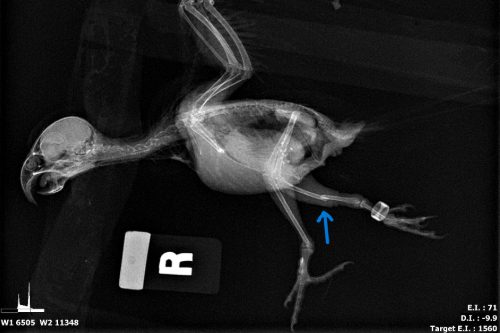
- Bite wounds from cage mates: This is more common when parrots fight with each other or one lands on an aggressive bird’s cage.
How to Identify a Broken Toenail in Your Pet
When a pet breaks a toenail, the signs can range from mild discomfort to more noticeable symptoms. Recognizing these indicators is the first step in providing appropriate care:
- Bleeding near the quick
- Limping or avoiding weight-bearing on the foot with the damaged toe
- Visible damage
- Irritability, restlessness, or unusual vocalizing
- Licking or chewing the paw
Immediate Steps to Take When Your Pet Breaks a Toenail
If your pet breaks a toenail, prompt action can make a significant difference in managing pain and reducing complications.
- Pets are highly attuned to their owners’ emotions. Staying calm will help reassure your pet during this stressful time.
- Carefully examine the affected area for bleeding, visible breaks, or signs of infection. Use gentle handling to avoid causing additional pain.
- If the foot has dirt or debris present, rinse the toe or foot with lukewarm water to remove dirt or debris, reducing the risk of infection.
- If the nail is bleeding, apply gentle pressure with a clean cloth or use styptic powder to promote clotting. If you do not have styptic powder, corn starch may also be applied to help with clotting.
- Birds do not have a large blood supply, so more than 10 drops of blood loss can be life threatening for your pet bird. Seek veterinary help ASAP.
- Call Avian and Exotic Animal Hospital of Louisiana at (504) 455-6386 to schedule an appointment for a thorough evaluation.
Why a Veterinary Visit is Essential for a Broken Toenail
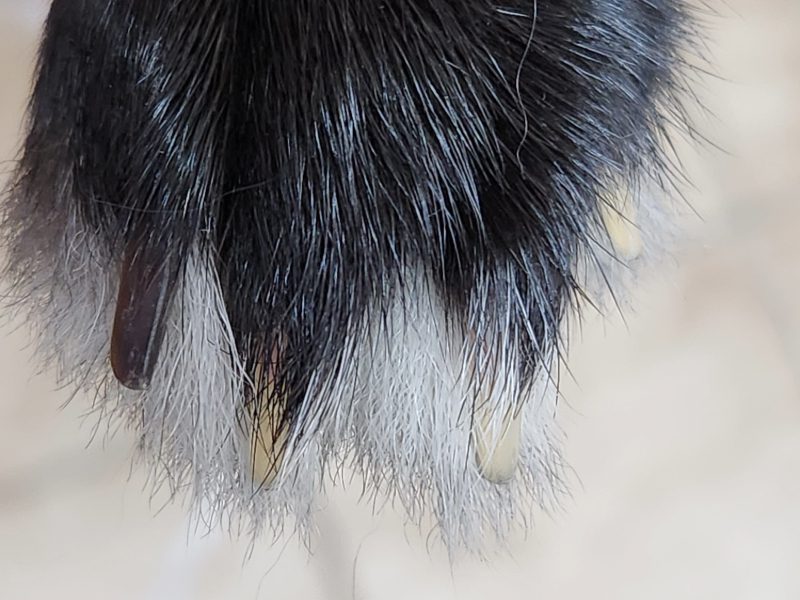 While minor injuries may seem manageable at home, a broken toenail often requires veterinary attention. Your veterinarian can provide a comprehensive assessment and treatment plan tailored to your pet’s needs. Your veterinarian will inspect the nail and foot to determine the extent of the damage and check for signs of infection. If the injury is causing discomfort, your veterinarian may recommend pain relief options to keep your pet comfortable. In some cases, the broken portion of the nail may need to be trimmed or removed to prevent further issues.
If there is a risk of infection, your veterinarian might prescribe antibiotics to protect your pet’s health. You also might receive instructions on how to care for the injury at home, including monitoring for healing and protecting the foot or claw. Addressing the injury professionally ensures that your pet can recover quickly and comfortably.
How to Prevent Broken Toenails in the Future
By incorporating a few proactive measures into your routine, you can help protect your pet’s paws:
- Keep your pet’s nails at an appropriate length by scheduling regular trimmings at home, at your pet’s veterinary office, or with a professional groomer.
- If trimming nails yourself, use pet-specific clippers and avoid cutting too close to the quick. ALWAYS have styptic powder handy.
- Minimize rough surfaces or hazardous environments where nails are more likely to catch or break.
- Check your pet’s nails for signs of brittleness or discoloration, which could indicate underlying health issues.
- Provide a diet rich in essential nutrients to promote strong, healthy nails.
Handling a Broken Toenail for Exotic Pets
Exotic pets, such as birds, reptiles, or small mammals, may also experience broken nails. Handling these situations requires special care tailored to their unique needs.
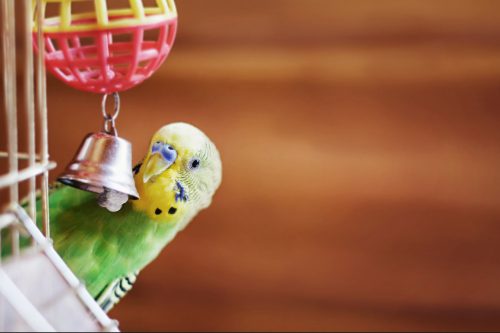
- Birds: Broken nails in birds often result from perches that are too abrasive or sharp. Ensure their perches are appropriately sized and made from safe materials. Fights with cage mates or adversaries often end with bite wounds on the feet.
- Reptiles: Reptiles with broken nails may benefit from adjustments to their habitat, such as providing smoother climbing surfaces.
- Small Mammals: For animals like rabbits or guinea pigs, regular nail trimming is essential to prevent overgrowth and injuries.
A broken toenail may seem like a minor issue, but it can cause significant discomfort for your pet. By addressing the injury promptly and seeking veterinary care, you can help your pet heal while minimizing complications. For professional care tailored to your pet’s needs, call Avian and Exotic Animal Hospital of Louisiana at (504) 455-6386 to schedule an appointment.
Recent Posts
About Avian & Exotic Animal Hospital of Louisiana
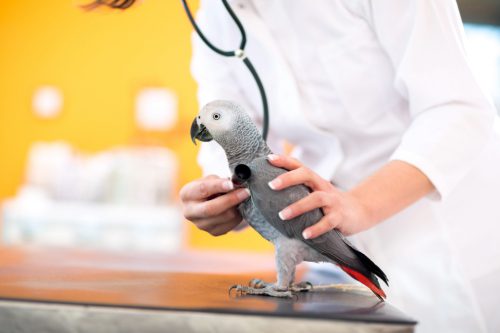
Avian & Exotic Animal Hospital of Louisiana, formally West Esplanade Veterinary Clinic, is Louisiana’s only veterinarian that provides care exclusively to avian and exotic pets. From parrots to rabbits and ferrets to a wide variety of reptiles, as well as a multitude of small mammal exotic pets, we welcome them all to our practice!