
If your rabbit isn’t eating, it should be a cause for concern. Rabbits have delicate digestive systems that require a steady intake of fiber-rich hay and other nutrients to function properly. A sudden lack of appetite can signal an underlying health issue that requires attention. In this blog, we’ll explore the possible reasons your rabbit isn’t eating, symptoms to watch for, and what steps to take to ensure their well-being. If your rabbit is acting unusually and you need guidance, call the Avian and Exotic Animal Hospital of Louisiana at (504) 455-6386.
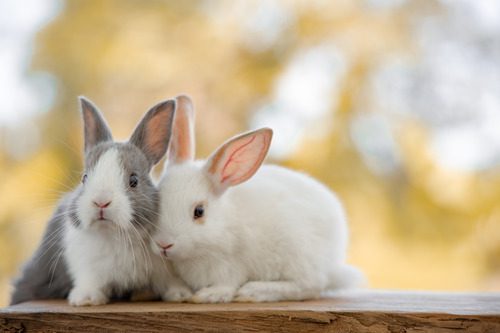
Potential Reasons Your Rabbit May Stop Eating
When a rabbit stops eating, it is often a sign of illness or discomfort. Unlike other animals, rabbits are highly sensitive to dietary changes and stress, which can lead to a loss of appetite. Below are some common reasons your rabbit might not be eating.
Gastrointestinal Stasis (GI Stasis)
One of the most serious causes of a rabbit not eating is gastrointestinal stasis, a condition where the digestive system slows down or stops entirely. This condition can occur due to a lack of fiber in the diet, stress, pain, or dehydration. A more severe condition occurs when a hairball or foreign material causes a blockage in the intestinal tract. In either of these cases, the digestive system slows down, food ferments in the stomach, causing gas and discomfort. This can become life threatening within hours. Symptoms of GI stasis include:
- Refusal to eat
- Small or no fecal pellets
- Lethargy
- A hunched posture
- Bloated abdomen
GI stasis is a medical emergency that requires immediate veterinary care. If your rabbit shows these symptoms, call (504) 455-6386 for assistance.
Dental Problems
Rabbits have both upper and lower incisors as well as 12 upper cheek teeth and 10 lower cheek teeth. Rabbits’ teeth grow continuously, and if they don’t wear down properly, it can lead to dental issues. Overgrown teeth can cause pain, making it difficult for your rabbit to chew or swallow food. Signs of dental problems include:
- Drooling or wet fur around the mouth
- Preference for soft foods
- Dropping food from the mouth while eating
- Weight loss of unknown origin
Stress or Environmental Changes
Rabbits are highly sensitive to changes in their environment. A new pet, loud noises, or moving to a new home can cause stress, leading to a decrease in appetite. Even subtle changes, like rearranging their cage, can have an impact. If your rabbit is not eating and you suspect stress, consider:
- Providing a quiet and familiar space
- Avoiding sudden changes to their routine
- Spending time reassuring them
Signs That Your Rabbit’s Appetite Loss Is an Emergency
A rabbit not eating for more than 12 hours is a critical situation. Unlike other pets, rabbits cannot go long without food, as their digestive systems require constant movement. Below are some symptoms that indicate an emergency examination is necessary:
- Complete refusal of food or water for more than 12 hours
- Visible signs of pain, such as teeth grinding or a hunched posture
- Rapid weight loss
- Dehydration (check by gently pinching the skin; it should snap back quickly)
- Laying on his/her side and refusal to move
What To Do if Your Rabbit Is Not Eating
While waiting for your veterinary appointment, there are steps you can take to support your rabbit. These actions are not a substitute for professional care, but can help in the short term.
Encourage Hydration
Dehydration can exacerbate appetite loss. Offer fresh water in both a bowl and a bottle, as some rabbits prefer one over the other. Adding a small amount of unflavored, electrolyte-rich solution can help encourage hydration.
Offer Favorite Foods
Try offering kale, romaine lettuce, collard greens or turnip greens to entice them to eat. Wash the greens in water and leave the greens wet when you offer them to your rabbit. However, avoid sugary treats, iceberg lettuce or foods that may upset their digestive system.
Monitor Their Behavior
Keep a close eye on your rabbit’s behavior and note any additional symptoms. This information will help your veterinarian determine the cause of the issue and recommend the appropriate treatment. Remember, these steps are temporary measures. A rabbit not eating requires prompt veterinary attention to identify and address the root cause.
Tips for Preventing Appetite Loss in Rabbits
Taking proactive steps can help reduce the risk of appetite loss in rabbits. A consistent diet, regular veterinary care, and a stress-free environment are crucial in maintaining their overall health.
Diet and Nutrition
Rabbits need a diet that is high in fiber to promote healthy digestion. Unlimited access to fresh hay, along with leafy greens and a small amount of rabbit-safe pellets, provides balanced nutrition. Rabbit pellets should contain only hay-based pellets, NO SEEDS, NUTS or GRAINS. Adult rabbits should be fed Timothy Hay based pellets. Avoid overfeeding treats, as they can disrupt their digestive system.
Routine Check-Ups
Regular veterinary visits can identify potential health problems before they become serious. These check-ups should include a dental exam to monitor tooth growth and check for any issues.
Stress Management
Providing a stable, quiet environment can help prevent stress-related appetite loss. Make sure your rabbit has a safe space where they feel secure, and introduce changes gradually to minimize anxiety.
Recognizing Long-Term Care Needs for Your Rabbit
A rabbit’s well-being depends on early detection and intervention when issues arise. If your rabbit is not eating, it could be a sign of a serious health problem requiring professional care. By understanding the common causes, monitoring for signs of distress, and providing preventative care, you can help ensure your rabbit stays happy and healthy. If you’re concerned about your rabbit not eating, contact the Avian and Exotic Animal Hospital of Louisiana at (504) 455-6386 to schedule an evaluation. Our team is well versed in the care of exotic pets and can help identify the best course of action for your rabbit’s needs.
Recent Posts
About Avian & Exotic Animal Hospital of Louisiana
Avian & Exotic Animal Hospital of Louisiana, formally West Esplanade Veterinary Clinic, is Louisiana’s only veterinarian that provides care exclusively to avian and exotic pets. From parrots to rabbits and ferrets to a wide variety of reptiles, as well as a multitude of small mammal exotic pets, we welcome them all to our practice!