
Feather loss in birds can be an alarming issue for bird owners. Feathers are more than just a bird’s beautiful covering—they play a vital role in temperature regulation, flight, and protection. If you’ve noticed your bird losing feathers, it’s natural to wonder why this is happening. From natural molting to underlying health conditions, understanding the reasons behind feather loss can help you make informed decisions about your bird’s care. If you’re concerned about your bird losing feathers, the team at Avian and Exotic Animal Hospital of Louisiana is here to assist. Call us at (504) 455-6386 to schedule an appointment.
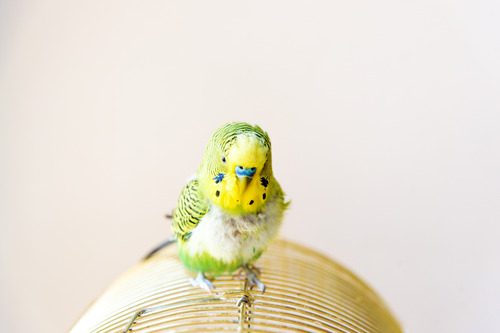
What Is Normal Feather Loss in Birds?
Feather loss is not always a sign of a problem. Birds naturally shed and regrow feathers in a process called molting. Molting is a cyclical process that varies between species, but it generally occurs once or twice a year. During this time, old or damaged feathers are replaced with new ones. Molting patterns differ from bird to bird, and some species experience a more noticeable feather loss than others. Your bird may appear scruffy or less vibrant during molting, but this is entirely normal. However, if your bird is losing feathers outside of its molting cycle, has bald spots, or shows signs of distress, it should trigger the need to have an avian veterinarian examine your pet bird.
How to Recognize Molting vs. Abnormal Feather Loss
- Molting Characteristics: Gradual feather loss, symmetrical patterns, and healthy feather regrowth. Visual evidence of new feather growth by the presence of pin feathers or blood feathers.
- Abnormal Feather Loss: Patchy bald spots, patches of just down feathers showing, excessive plucking, or feathers failing to regrow.
Behavioral Causes of Feather Loss
Feather plucking is a common behavioral issue that may lead to significant feather loss. Birds often pluck their feathers due to nutritional deficiencies, stress, hormonal imbalance, illness, boredom, or environmental factors. This behavior can escalate if not addressed, potentially leading to permanent feather damage.
- Inadequate Enrichment: Birds are intelligent creatures that require mental and physical stimulation. A lack of toys, interaction, or space to explore can result in feather plucking.
- Environmental Stress: Loud noises, sudden changes in their environment, or overcrowded living conditions may stress your bird.
- Loneliness: Social birds may develop behavioral issues if they don’t receive enough attention from their owners or if they lack a companion.
- Cage Mate preening: Some cage mates over preen or pluck feathers on submissive cage mates.
If you suspect your bird’s feather loss is behavioral, consider consulting an avian veterinarian to identify and address the underlying cause.
Nutritional Deficiencies and Their Impact on Feathers
A bird’s diet plays a critical role in feather health. Nutritional deficiencies can result in dull, brittle feathers or abnormal feather loss. Birds require a balanced diet tailored to their species. Most diets include a variety of seeds, pellets, vegetables, and a small amount of fruit. Your avian veterinarian can advise you on a balanced diet for your pet bird(s).
Nutrients That Support Feather Health
Protein is essential for feather regrowth and repair. Birds with insufficient protein intake may struggle to regrow lost feathers. Vitamin A supports healthy skin and feather follicles, while Vitamin D aids in calcium absorption, essential for overall health. Omega-3 fatty acids help maintain the sheen and durability of feathers. Improper diets, such as those lacking diversity or overly reliant on seeds, can lead to deficiencies. Sunflower seeds and peanuts are particularly low in Vitamin A and calcium. A consultation with your avian veterinarian can help you adjust your bird’s diet to support optimal health.
Health Conditions Linked to Feather Loss
In some cases, feather loss can be a symptom of an underlying medical condition. Birds are skilled at hiding signs of illness, so noticeable feather loss may indicate that something is amiss. Common health issues that may cause feather loss include:
- Skin Infections: Bacterial, fungal, or parasitic infections can irritate the skin, leading to feather loss. Mites are a particularly common cause in birds housed outdoors. Both mites and lice are common skin and feather parasites affecting chickens.
- Psittacine Beak and Feather Disease (PBFD): This viral disease affects feather quality and regrowth, often causing noticeable feather formation issues and feather loss.
- Thyroid or Hormonal Imbalances: Issues with the thyroid or reproductive hormones can disrupt normal feather growth.
If your bird is losing feathers due to a health condition, timely veterinary care is essential. A thorough examination and diagnostic testing can uncover the root cause and guide appropriate treatment.
Environmental Factors That May Contribute to Feather Loss
Your bird’s environment can have a significant impact on its feather health. Factors such as humidity, lighting, and air quality all play a role in maintaining healthy feathers.
- Humidity Levels: Birds originating from tropical climates may experience feather issues in dry environments. Using a humidifier can help maintain optimal humidity levels.
- Lighting: Birds require natural or full-spectrum lighting to regulate their hormonal cycles. Inadequate lighting can contribute to feather loss.
- Air Quality: Smoke, aerosols, and other pollutants can irritate your bird’s skin and feathers. A clean and ventilated living space is critical for their well-being.
How to Address Your Concerns About Feather Loss
If your bird is losing feathers, it’s important to determine whether the cause is behavioral, nutritional, environmental, or medical. While molting is a natural and healthy process, other causes of feather loss often require intervention. Avian and Exotic Animal Hospital of Louisiana can help you understand the reasons behind your bird’s feather loss. Call us at (504) 455-6386 to schedule a visit with our team of avian experts.
Recent Posts
About Avian & Exotic Animal Hospital of Louisiana
Avian & Exotic Animal Hospital of Louisiana, formally West Esplanade Veterinary Clinic, is Louisiana’s only veterinarian that provides care exclusively to avian and exotic pets. From parrots to rabbits and ferrets to a wide variety of reptiles, as well as a multitude of small mammal exotic pets, we welcome them all to our practice!