
Birds bring unique joy to households with their vibrant colors and engaging personalities, but their health can sometimes be challenging to assess. Unlike more traditional pets, birds often hide signs of illness until the condition becomes severe. Learning about the common diseases in birds can help you understand when your feathered friend might need professional veterinary care. Fortunately, the knowledgeable team at Avian & Exotic Animal Hospital of Louisiana can assess your bird and create a treatment plan tailored to their specific needs. Call us at (504) 455-6386 to schedule an appointment with us today. Dr. Rich and Dr. Pence are available Monday thru Friday 9 am – 5 pm and Saturdays 8 am – 12 noon for Urgent Care Cases and nights, weekends, and holidays for emergency examinations and treatment.
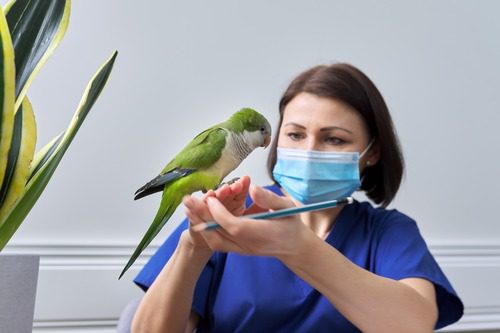
Signs Your Bird Is Sick
Birds are masters of concealment when it comes to illness, a survival instinct that all birds possess to avoid appearing vulnerable to predators. However, this trait makes it harder for pet owners to detect health issues early in the course of an illness. Some general signs of illness in birds include:
- Fluffed feathers
- Lethargy or reduced activity
- Changes in appetite or weight
- Drooping wings
- Nasal discharge or difficulty breathing
- Changes in color, consistency, or frequency of the fecal material
- Changes in color, consistency, or frequency of the urates (white portion of the urine)
If you notice these signs, contact an avian veterinarian or the team at Avian and Exotic Animal Hospital of Louisiana. Call us for an Urgent Care Exam or to request an appointment and we’ll be happy to help you and your bird.
Respiratory Diseases in Birds
Respiratory conditions are among the most common diseases in birds, often stemming from infections, environmental factors, or allergens. These conditions can quickly become life-threatening without treatment. The following are the most common respiratory diseases in pet birds:
Aspergillosis
Aspergillosis is a fungal infection caused by Aspergillus spores found in damp environments or moldy feed. Birds inhale the spores, leading to infections in the respiratory tract or lungs. Symptoms include difficulty breathing, nasal discharge, and weight loss. Testing and treatment options are available for Aspergillosis.
Psittacosis
Also known as “parrot fever,” psittacosis is caused by Chlamydia psittaci. This bacterial infection can be transmitted to humans, making it essential to address promptly. Birds with psittacosis may exhibit one or all of the following symptoms; eye discharge, nasal discharge, green droppings, and difficulty breathing. To reduce the risk of respiratory diseases, maintain a clean cage environment and provide fresh, mold-free food. Testing birds with these symptoms is essential to diagnose this disease and formulate a treatment plan.
Bacterial Upper Respiratory Infection
Bacteria can invade the nasal passages, one of the many sinus cavities around the skull and beak as well as the trachea (wind pipe). These infections may be secondary to Vitamin A deficiency, dusty environment or contaminated food and water dishes. A bacterial culture will be necessary to identify the specific bacteria causing the condition and in selection of the proper antibiotic therapy.
Digestive Disorders in Birds
Birds are prone to digestive issues, which often present as vomiting, diarrhea, or changes in droppings. Digestive disorders can result from bacterial infections, parasites, or dietary imbalances.
Avian Gastric Yeast (AGY)
AGY is caused by Macrorhabdus ornithogaster, a yeast organism that affects the stomach lining. Symptoms include regurgitation, undigested food in droppings, and weight loss. This condition is particularly common in budgerigars, cockatiels and other small parrot species. Microscopic examination of the feces will help your avian veterinarian diagnose this disease.
Proventricular Dilatation Disease (PDD)
PDD is a serious condition that affects the nerves of a bird’s digestive system. It can lead to an enlarged proventriculus (a part of the stomach), regurgitation, and undigested seeds in droppings. While the exact cause is unknown, PDD is often associated with avian bornavirus. Blood tests and xrays will be necessary to properly diagnose this disease.
A balanced diet and regular health check-ups can help minimize digestive issues in your bird.
Feather and Skin Disorders
Birds rely on healthy feathers and skin for protection and temperature regulation. When problems arise, they can lead to discomfort or other health complications.
Feather Plucking
Feather plucking is a behavioral or medical condition where birds pull out their feathers. Stress, boredom, hormonal imbalance, pain, internal medical issues or skin infections may trigger this behavior. Identifying the underlying cause is crucial for addressing the issue.
Psittacine Beak and Feather Disease (PBFD)
PBFD is caused by a virus that affects a bird’s feathers, beak, and immune system. It is highly contagious among parrots and is often fatal. Symptoms include abnormal feather growth, beak deformities, and feather loss. Preventing feather and skin disorders involves providing a stimulating environment, a healthy diet, and regular grooming. Yearly health examinations are highly recommended by an avian veterinarian to assess your bird’s health and feather condition.
Nutritional Deficiencies
Proper nutrition is vital to a bird’s overall health. Nutritional deficiencies are among the most common diseases in birds and can lead to long-term complications.
Vitamin A Deficiency
Vitamin A is essential for healthy skin, feathers, and respiratory tissue. A deficiency can result in respiratory infections, poor feather quality, and swelling around the eyes.
Calcium Deficiency
Calcium is critical for bone strength and egg production. Birds with calcium deficiencies may experience muscle tremors, weak bones, egg binding, or soft-shelled eggs. A well-balanced diet with vegetables, a small amount of fruits and a species-appropriate pelleted diet can help prevent nutritional deficiencies. Avoid feeding your bird a seed-only diet, as it lacks many essential nutrients.
Viral Infections in Birds
Viral infections can spread quickly among birds and are often challenging to treat.
Polyomavirus
Polyomavirus primarily affects young birds, causing sudden death in severe cases. Symptoms include lethargy, delayed feather growth, hemorrhages in the skin and often times, an enlarged abdomen. Polyomavirus vaccination is available and your avian veterinarian can discuss the benefits with you about polyomavirus disease prevention.
Avian Influenza
Avian influenza is a contagious viral infection that can spread among birds and to humans. Infected birds may exhibit coughing, diarrhea, and swelling around the eyes. Quarantine new birds before introducing them to your flock, and consult your veterinarian for vaccination recommendations.
Maintaining Bird Health with Professional Care
Understanding the common diseases in birds empowers you to notice subtle changes in your feathered friend’s health before they escalate. From respiratory infections to nutritional imbalances, being proactive about their care helps create a safe, enriching environment that keeps your bird thriving. If you’ve observed unusual behaviors, changes in appetite, or signs of illness, the team at Avian and Exotic Animal Hospital of Louisiana is here to provide the expertise to get your bird back to full health. Call us today at (504) 455-6386 to schedule an appointment and let us partner with you in protecting your bird’s health and happiness.
Recent Posts
About Avian & Exotic Animal Hospital of Louisiana
Avian & Exotic Animal Hospital of Louisiana, formally West Esplanade Veterinary Clinic, is Louisiana’s only veterinarian that provides care exclusively to avian and exotic pets. From parrots to rabbits and ferrets to a wide variety of reptiles, as well as a multitude of small mammal exotic pets, we welcome them all to our practice!